GIA-Certified Natural Diamond Jewellery

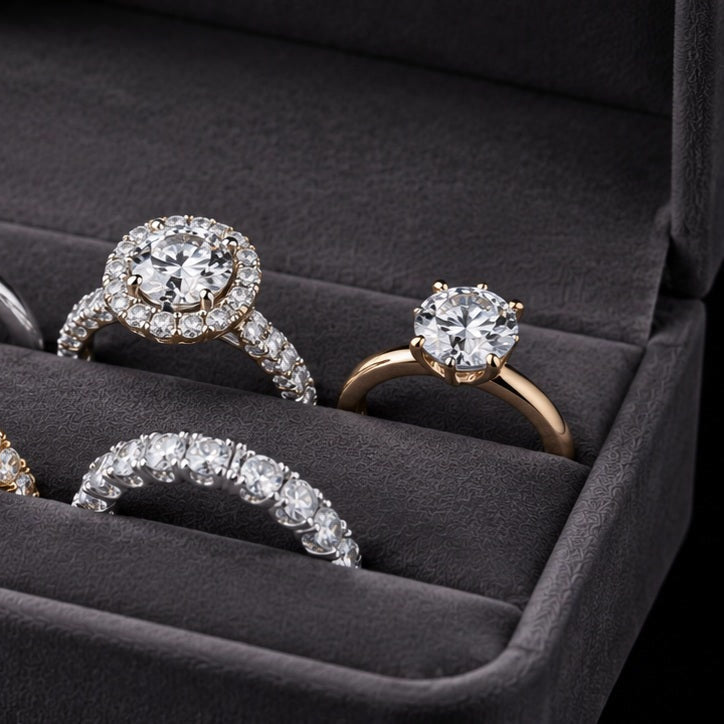
Shop natural diamond stud earrings, tennis bracelets, solitaire rings, pendants and tennis necklaces in platinum and gold, from £599 up to £18,500. We hold over 500 GIA stones in stock, choose them by eye as well as by report, finish the jewellery in Hatton Garden, and can source a natural diamond to your brief.

Shop all natural diamond jewellery
Classic natural diamond jewellery, GIA graded, at the most value for your money.

Shop natural diamond jewellery by type

Showing 16 of 54

Skip to results list
54 items

54 items

54 Products

Active filters:

54 items

Show filters

Active filters:

Showing 16 of 54

Shop GIA-Graded Natural Diamonds: Understand the 4Cs Before You Choose

What a GIA Report Tells You and What It Does Not

A natural diamond is bought on two kinds of information: what the independent laboratory has recorded, and what the diamond looks like. A GIA report gives you the first. Our team, who look at diamonds all day, help with the second.

The principles below apply to every piece in the collection, from stud earrings and tennis bracelets to solitaire rings, pendants and tennis necklaces.

What 'natural' means, and how it differs from lab-grown

A natural diamond formed in the earth over a very long time and was mined. A lab-grown diamond is grown in a controlled environment. Both are real diamonds with the same chemical makeup and hardness, and a gem laboratory can tell them apart only with specialist equipment.

The practical differences are price and origin. A natural diamond costs more for the same grades, and some buyers choose it because it is finite and was made by nature. We sell both and will tell you honestly which suits your priorities. See lab-grown versus natural diamonds.

The 4Cs: carat, colour, clarity and cut

The 4Cs are the four characteristics every grading laboratory records, and together they describe a diamond.

Carat is the diamond's weight. Colour is graded on a scale from D (colourless) down to Z. Clarity grades the internal characteristics of the stone, from Flawless through the VVS, VS and SI grades to I. Cut describes how well the diamond is proportioned and polished, and GIA gives a cut grade to standard round brilliants.

Each step on these scales changes the price, and the right combination depends on the piece and on you. That is the part we are here for: tell us what you are looking for and our team will guide you. Our 4Cs guide covers the basics.

How to read a GIA grading report

A GIA report records the diamond's shape and cut style, its measurements in millimetres, carat weight, colour grade, clarity grade, cut grade where applicable, polish and symmetry, together with a plotted diagram of its inclusions. It carries a unique report number, and many reports are matched to a microscopic inscription on the diamond's edge.

You can verify the report yourself on GIA's website using the number, and check that the grades and measurements match the listing.

A report grades the diamond only. It does not describe the ring, the metal or the finish, and it does not state a value.

Reports, jewellery and small diamonds

A report is issued for a single diamond. In a pair of stud earrings, each stone may be graded, or the pair may be described by a combined grade. In a tennis bracelet or necklace there are too many small stones for each to carry its own report, so the piece is usually described by total carat weight and a colour and clarity range.

For each piece, the product page states which diamonds the report covers. Ask us if you are not sure, and we will confirm what documentation you will receive for the exact item.

Carat weight and the size you see

Carat measures weight. What you see is the diamond's diameter or length across the top, which is why the millimetre measurements on the report and the listing are worth comparing alongside the carat weight.

For a pair of studs, the total carat weight is the sum of both stones.

What sets the price

The price of a natural diamond is set by its grades, its size and its shape, and the price of finished jewellery adds the metal and the making. A loose diamond price is therefore not the same as a ring price.

Our approach is simple: we aim to give you the most value we can for your money, and we are happy to talk you through any piece. See how our pricing works.

Choosing the setting and the metal

Platinum is the usual choice for natural diamond jewellery that will be worn for decades. It is white, dense and holds the stones securely. Most of the pieces in this collection are in platinum, with white and yellow gold alongside.

For studs, screw-backs hold the earring more securely than push-backs. If you would like a stone set in a particular way, we can source a diamond to a brief and finish a piece around it. Start with the enquiry form.

The 4Cs at a glance
CharacteristicWhat it describesHow it is graded
CutHow well the diamond is proportioned and polishedExcellent to Poor on standard round brilliants
ColourHow colourless the diamond isD (colourless) to Z
ClarityInternal characteristics of the stoneFlawless to Included, with VVS, VS and SI grades between
CaratThe weight of the diamondMeasured to the hundredth of a carat

Why Source Your Natural Diamond Jewellery Through Amada?

Over 500 GIA Stones in Stock, Over 20 Years with Natural Diamonds and One Aim: Maximum Value for Your Money

Amada's core premise is classic natural diamond jewellery that gives our customers the most value for their money. We hold over 500 GIA stones in stock, hundreds of ready-to-ship pieces, and have access to over a thousand more through the trade, so the choice is broad and the pieces are real, not catalogue promises.

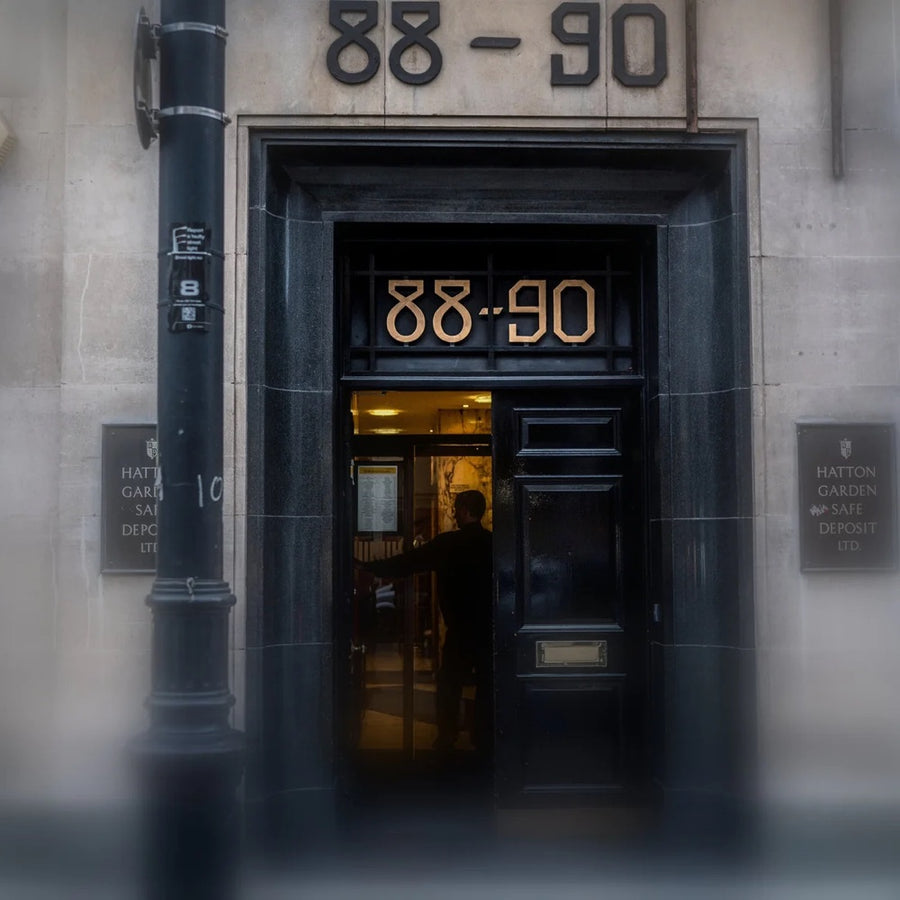
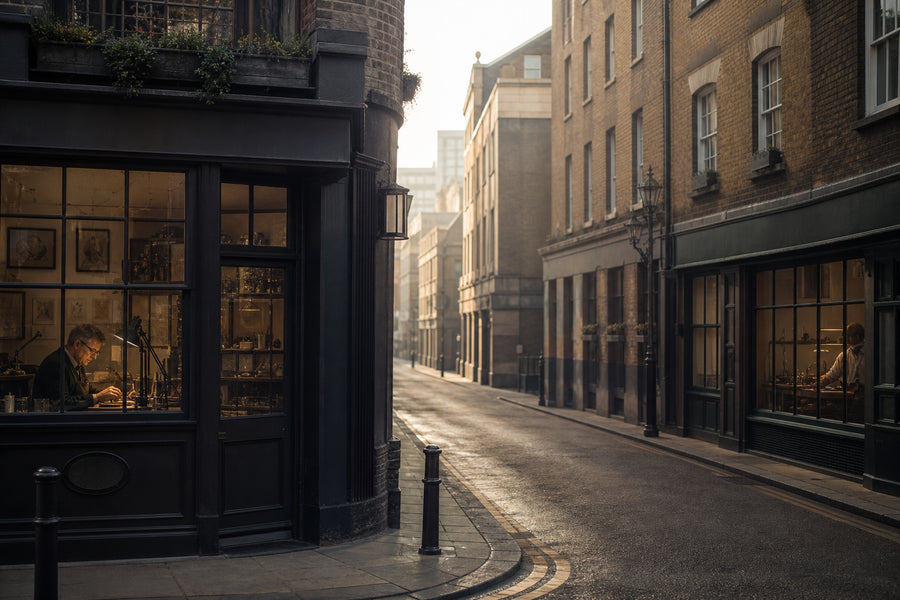
We have worked with natural diamonds for over 20 years, and our expert team on natural diamonds has more than 30 years of experience in the trade. We finish the jewellery in Hatton Garden, and if you want a particular stone, we can source it to your brief.

  • Maximum value for your money

    Classic diamond jewellery, sourced through the trade and sold direct, with one aim: the most value we can give you.

    How we price
  • Over 500 GIA stones in stock

    A broad range of natural stones held in Hatton Garden, in round, oval, pear, emerald, princess and more.

    Book a viewing
  • Hundreds of ready pieces

    Studs, tennis bracelets, solitaire rings, pendants and tennis necklaces ready to ship.

    Shop ready-to-ship
  • Access to over a thousand more

    If it is not in the showroom, our trade network can usually find it. Tell us the shape, size and budget.

    Request a sourcing quote
  • Over 20 years with natural diamonds

    Two decades of buying, grading and selling natural diamonds, with GIA reports named on the product page.

    How reports work
  • A leading expert team

    A natural-diamond team with over 30 years of experience in the trade, on hand to guide your choice.

    Read our story

Tell us the piece, shape, carat weight and budget. We will show you what we hold and what we can source, with the report and the price before you commit.

Ask a Diamond Specialist

Natural Diamond & GIA FAQs

Straight answers from our Hatton Garden jewellers, in five parts.

Natural diamond fundamentals

What makes a natural diamond different from a lab-grown diamond?

A natural diamond formed in the earth over a very long time and was mined. A lab-grown diamond is grown in a controlled environment. Both are real diamonds, and at the same grades they look the same to the eye.

You pay more for a natural diamond because of its origin and rarity. We sell both. See lab-grown versus natural diamonds.

Is a natural diamond engagement ring a good choice for daily wear?

Yes. Diamond is the hardest natural material, and a well-made platinum or gold setting lasts for decades. The claws are the part that wears over time, and we check them for free at our London showroom.

We will help you choose a setting that suits how you live.

Which natural diamond shapes and pieces are available at Amada?

Everything, not just round brilliants. We carry round, oval, pear, emerald, princess and marquise stones, with cushion, radiant and other shapes on request, from 0.10 carat up to 10 carats and above.

They are set as stud earrings, tennis bracelets, solitaire and side-stone rings, pendants and tennis necklaces. Browse by shape above, or tell us what you want and we will find it.

What should I compare when buying natural diamond jewellery online?

Compare the laboratory report and its grades, the millimetre size, the total carat weight, the metal and the setting, and check which diamonds the report covers.

If you want to be sure, ask us for a video or to see the piece at the showroom. We are happy to send one.

Can I source a natural diamond of a specific shape and budget?

Yes. We hold over 500 GIA stones and have access to over a thousand more through the trade. Tell us the shape, carat weight and budget and we will come back with options and their reports before you commit to anything.

Use the enquiry form or WhatsApp.

How do I understand carat weight versus face-up stone size?

Carat is weight, and size is what you see across the top of the stone. The millimetre measurements on the listing or report tell you the true size, so compare those as well as the carat weight.

For a pair of studs, compare the diameter of each stone.

Still unsure? Talk to a jeweller

Book appointment

Book your private consultation.

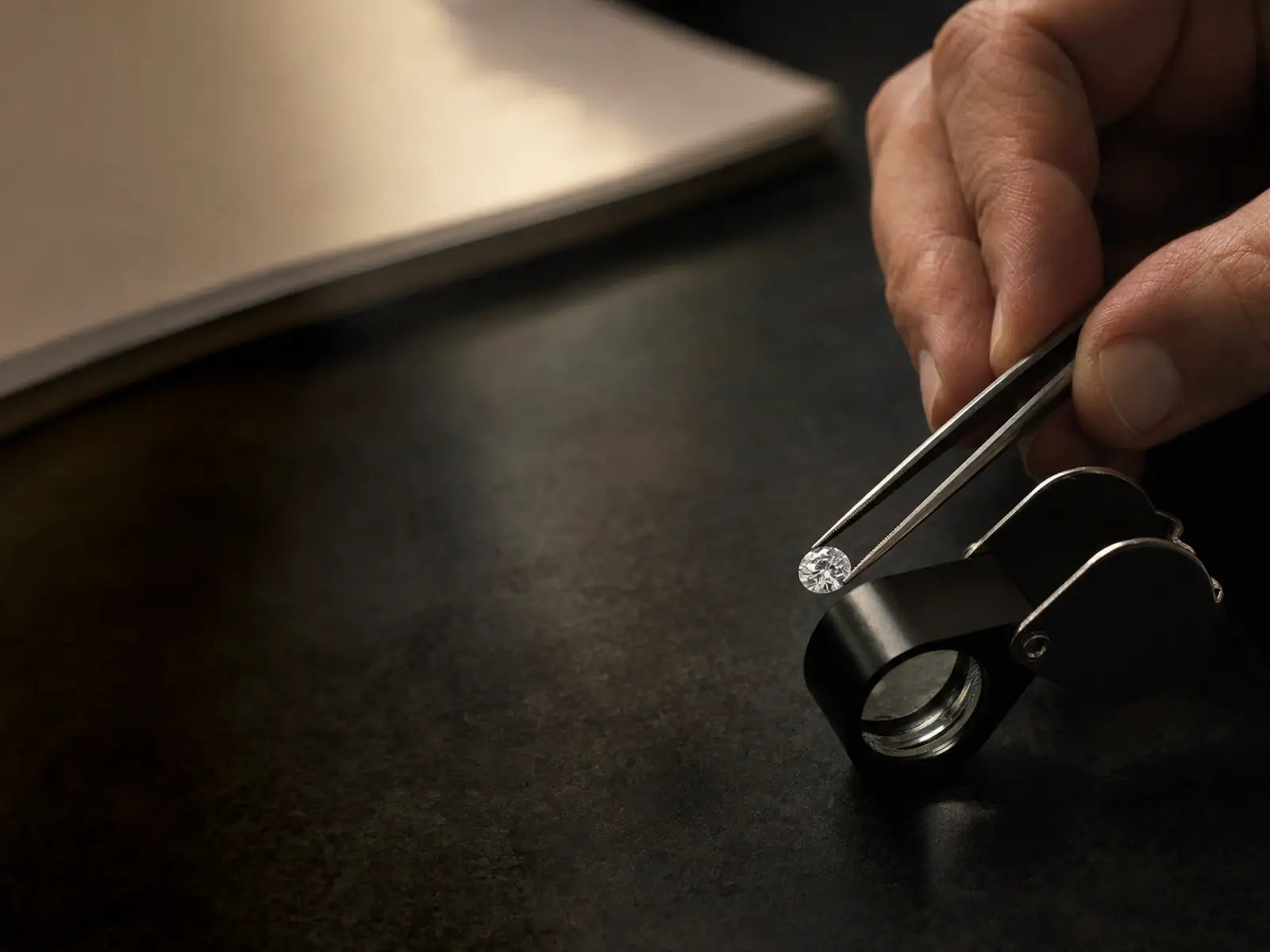
Half an hour at the counter with a gemmologist, the loupe, and every natural stone in the case. Bring a picture, a budget, or nothing at all.

A member of our jewellery team will personally confirm your appointment.

New pieces, before they reach the site.

Occasional notes from the bench — what has just been finished, what is ready to ship, and first look at our best deals before they go public.

A couple of emails a month at most. Unsubscribe any time.